
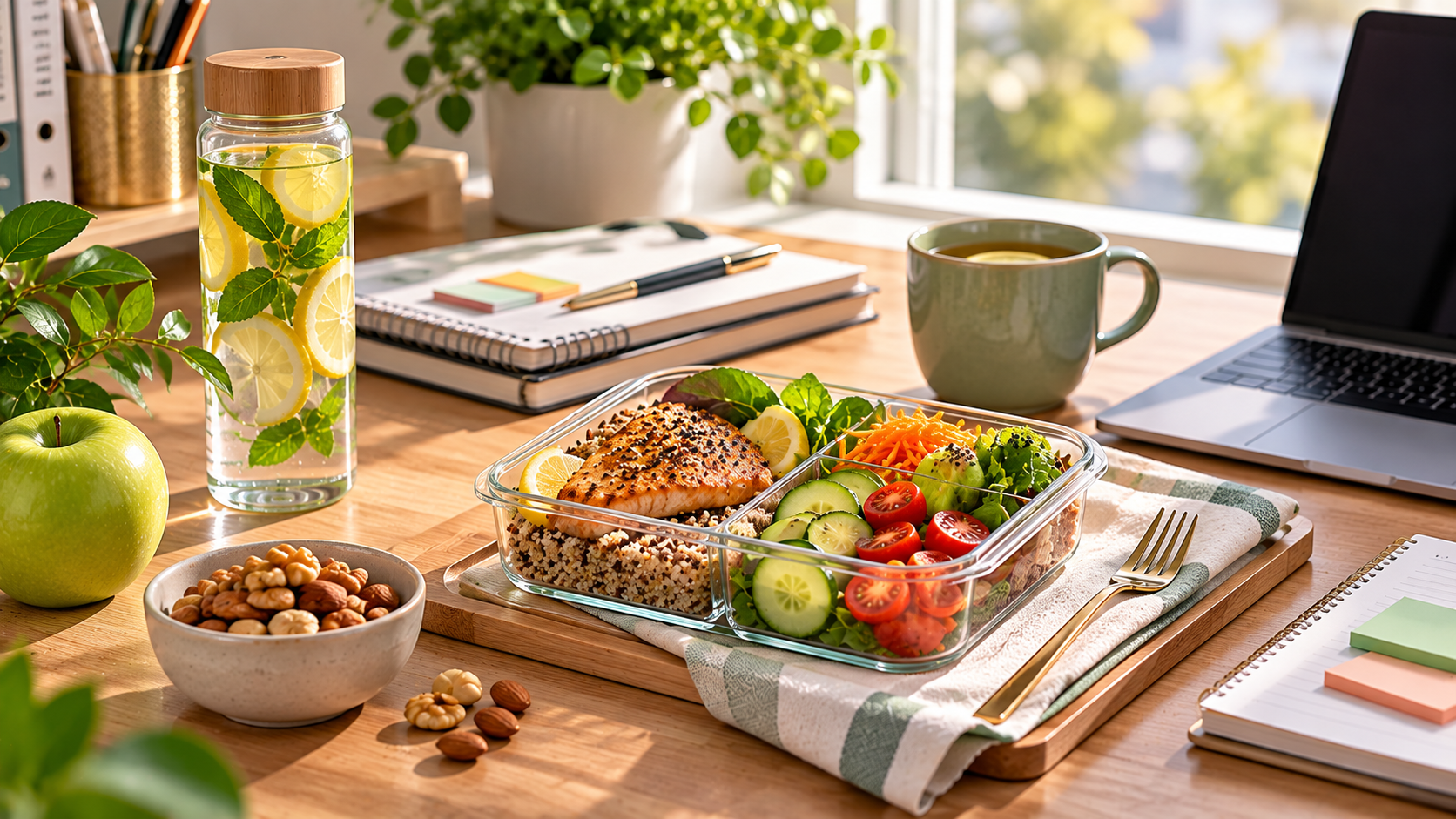
Workday meals often feel rushed because several small pressures converge at the same time. Back-to-back meetings can remove the natural gap between tasks, while an unpredictable workload may make a planned break seem easy to postpone. Some people begin the day without breakfast, then reach lunchtime already very hungry and less able to make a considered choice. Long queues, crowded kitchens, or limited access to food can use up a break before eating has properly begun. When meal decisions are left until hunger becomes urgent, convenience and speed may take priority over a more comfortable pace.
Rather than assuming there is one cause, look for patterns in your own day. For a week, make a simple note of when and where you eat, how much time you have, and what was happening just beforehand. Record whether a meeting ran over, a task arrived unexpectedly, or a queue delayed you. It may also help to note whether you skipped an earlier meal, had food available, or had to decide what to eat while already hungry. These observations are not a scorecard; they are a way to see which circumstances repeatedly make meals difficult.
Once recurring obstacles are clearer, consider where a little flexibility could help. If meetings commonly occupy the middle of the day, a slightly earlier or later meal may be more realistic. If queues are the main issue, bringing food or choosing a quieter place may reduce pressure. If hunger builds after a skipped breakfast, a small morning meal or snack could make lunchtime less urgent. The aim is not to impose a rigid schedule or control every interruption. Instead, identify practical points in the day when eating is more likely to fit, and make modest adjustments that work with the demands of your job. A workable plan leaves room for changing priorities while protecting some time to pause and eat without rushing.
At the start of each week, review your work calendar before deciding when to eat. Look for early meetings, long blocks of focused work, commuting time, and appointments that may interrupt a usual routine. Then identify realistic windows for breakfast, lunch, and snacks, rather than assuming every day will follow the same pattern. A useful plan reflects your workload and appetite: some people prefer breakfast before leaving home, while others may want something small later. Mark the opportunities you can reasonably protect, and note which meals may need to be portable or quick to eat between tasks.
Choose simple meal options in advance so decisions do not compete with a busy workday. For example, prepare lunch the night before and place it where it is ready to take in the morning. Keep breakfast ingredients or ready-to-eat snacks accessible if the first part of the day is tightly scheduled. A calendar reminder before a meeting-heavy period can prompt you to eat or collect food before the next appointment begins. Arrange a protected break rather than relying on an uncertain gap. Leave a buffer around the planned time, since calls may run late, tasks can expand, and travel may take longer than expected.
Treat the schedule as a guide, not a rule. Meal timing can shift with workload, commute, appetite, and individual needs; no single timetable suits everyone. On a day with an early start, a portable breakfast may be practical, while a later lunch could fit better when morning meetings fill the calendar. If plans change, keep backup choices such as fruit, yogurt, nuts, or a shelf-stable snack available, according to dietary needs. You might also identify a nearby place to buy a meal. Notice which planned breaks worked and adjust the next week accordingly.
Reducing the number of food decisions you make during a busy workweek can make meals easier to manage. Set aside a short period to prepare a few versatile ingredients, such as cooked grains, washed vegetables, roasted beans, eggs, or chicken. Store components separately so they can be combined in different ways rather than becoming the same meal every day. A prepared grain bowl, wrap, or salad can then come together quickly before work.
Pack meals the night before whenever possible. Use leftovers from dinner as a starting point for lunch, adding fresh produce or a simple sauce to change the flavor. Aim for a satisfying mix of protein, carbohydrates, fruits or vegetables, and healthy fats. For example, pair rice or whole-grain bread with beans, vegetables, and avocado, or combine yogurt, fruit, oats, and nuts. Adapt portions and ingredients to your dietary preferences and needs.
Consider how food will be stored and eaten at work. If refrigeration is available, use a sealed container and place it in the refrigerator promptly. An insulated lunch bag with cold packs can help keep perishable food chilled during transport. If reheating is not convenient, choose meals that taste good cold, such as hummus and vegetable wraps or lentil salads. When a microwave is available, pack components that reheat well and keep sauces or crisp toppings separate.
Reliable backups can prevent a missed meal from turning into an inconvenient rush. Keep suitable shelf-stable options at work or in a bag, such as nuts, whole-grain crackers, dried fruit, or a sealed pouch of beans or tuna, accounting for allergies and dietary preferences. Pair snacks when possible—for instance, fruit with nuts—to make them more filling. Check package guidance and replace stored items as needed.
Follow food-safety guidance for preparation, storage, and transport. Keep cold foods cold, refrigerate perishables promptly, and avoid leaving them at room temperature for extended periods. With a few prepared ingredients, planned leftovers, and sensible backups, weekday meals can be both convenient and balanced.
A meal break is easier to keep when it has a clear, realistic boundary. Decide roughly when you will pause and how much time you can protect, taking meetings, workload, and workplace expectations into account. A short, dependable break is often more useful than an ambitious plan that is difficult to maintain. Add the break to your calendar as you would another appointment, and consider setting a reminder a few minutes beforehand so you can finish a task rather than carry it into your meal.
When appropriate, let colleagues know when you are unavailable and when you expect to return. A simple status message or recurring calendar entry can make your routine visible without requiring a detailed explanation. Teams may also benefit from shared habits, such as avoiding nonurgent messages during lunch or coordinating coverage. If your schedule changes frequently, identify a flexible window instead of one fixed time, while still treating that window as a genuine opportunity to eat.
Mindful eating does not require a long break or a formal practice. If you can, step away from your workstation, even if it is only to another seat or a nearby quiet area. Put aside work-related tabs and limit other distractions that make it easy to eat without noticing. Take a few breaths before starting, pause between bites, and check in with your pace and appetite. These small actions can help make a brief meal feel more restorative and allow you to notice when you are comfortably satisfied.
Some days, a meeting runs late or an urgent request interrupts your plan. Treat that as a setback, not a reason to abandon the routine. Use a practical backup, such as a prepared snack or a meal that can be eaten later, and look for the next reasonable chance to pause. Avoid trying to compensate by skipping food or rushing through the rest of the day. At the end of the week, note what helped, what repeatedly got in the way, and which adjustments feel manageable. Refine the timing, reminders, or backup options as your work patterns change, so the routine remains useful rather than rigid.
No responses yet